Ep. 75 Jennifer James
Morning Coffee and Ag Markets Podcast

Media Contact
Mary Hightower
U of A System Division of Agriculture
(501) 671-2006 | mhightower@uada.edu
Hunter Biram and Ryan Loy are joined by Jennifer James, a fourth-generation rice and soybean farmer from Newport, Arkansas, part owner of H&J Land Company, and host of the Field Good Life podcast. Jennifer shares her path back to the family’s Century Farm and discusses the realities of operating a diversified row crop operation in today’s economic environment.
 Jennifer James, Farmer
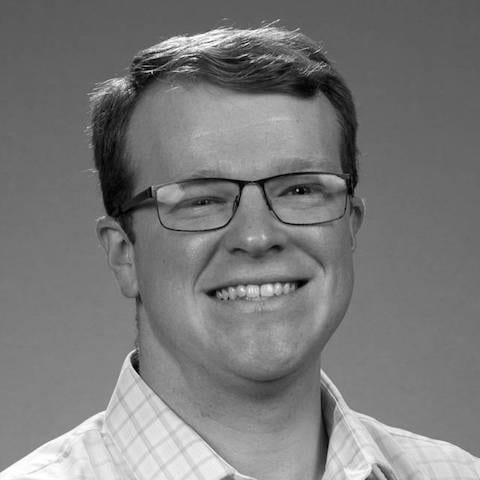 Hunter Biram, Assistant Professor and Extension Agricultural Economist, Agricultural Economics and Agribusiness hdbiram@uark.edu
 Ryan Loy, Assistant Professor and Extension Agricultural Economist
Agricultural Economics and Agribusiness
rloy@uark.edu
Transcript
00;00;14;26 – 00;00;24;17
Hunter Biram
Well, good morning and welcome to another episode of Morning Coffee and Ag Markets. I’m your host today, Hunter Biram. And, with me in the studio, I’ve got Ryan Loy. Ryan, how are you?
00;00;24;19 – 00;00;27;15
Ryan Loy
I am doing fantastic, Hunter, and I’m excited to be here today. How are you?
00;00;27;15 – 00;00;34;16
Hunter Biram
Doing really good. And, Ryan, you have good reason to be excited because we have an awesome guest with us today. Ms. Jennifer James. Jennifer, how are you?
00;00;34;19 – 00;00;40;18
Jennifer James
I’m very well. Glad to be here with you guys today. Maybe I can learn a few things from you folks today.
00;00;40;20 – 00;01;04;10
Hunter Biram
Well, only if we can learn from you, too. That’s right. Only if we can learn from you, too. Well, y’all, Jennifer James is a fourth generation rice and soybean farmer from Newport, Arkansas, where she helps lead her family’s century farm and diversified operation H and J Land Company. She is nationally recognized for her leadership in sustainability, conservation and farmer led communication, including serving on EPA advisory committees and speaking at the Sustainable Ag Summit.
00;01;04;10 – 00;01;26;24
Hunter Biram
And that was just last week. Through her Field Good Life platform and advocacy work, Jennifer has become a trusted voice for bridging the gap between farmers, consumers and policymakers. And so, Jennifer, for this conversation today, I want to start with, more of your upbringing. So you’re a fourth generation rice and soybean farmer on a century farm in Newport.
00;01;26;24 – 00;01;35;02
Hunter Biram
So what drew you back to the farm after you went to school? Because farming wasn’t really always on your bingo card, was it?
00;01;35;04 – 00;01;52;09
Jennifer James
It was never on my card when I was in high school, for sure. Never. I was not going to be, in small town Arkansas for sure. I was going somewhere to the city. I’m sure you may have heard my story before, that I went up to The Hill, went up to the University of Arkansas, was in the business school.
00;01;52;09 – 00;02;10;08
Jennifer James
I was going to be an accounting major, or I was an accounting major. Maybe go to law school, and live in some city somewhere else, the big city. And, so, as I’ve said before that I just thought it was the bright lights of the city that I was looking for, but maybe it was the bright lights of the stars here in eastern Arkansas.
00;02;10;08 – 00;02;30;27
Jennifer James
And has it not been a wonderful ride? I’m so glad that I made the choice to change my major to ag business. Got in the ag school at Fayetteville, which was an awesome experience. Much smaller, much more personal, much more my style and just loved every minute of being on The Hill, but couldn’t wait to get home.
00;02;30;27 – 00;02;42;25
Jennifer James
And as my dad, Marvin, put me right to work on Monday after graduation, I was I was in the rice field. So, very good choice for me and good decision. And I haven’t regretted a day of it.
00;02;42;27 – 00;02;59;10
Hunter Biram
I love that so much. So can you, would you say that you kind of felt called to farming? Because, I mean, clearly you had one direction that you were, you were dead set on going to, but then you had a change of heart. I mean, would you call farming a calling for you?
00;02;59;12 – 00;03;17;28
Jennifer James
I would now, I probably would not have then. I don’t know that I really recognize it as a calling, but as I’ve lived, you know, here on the farm, my house is my great grandparents’ home that was built with farm labor here on the farm in 1939. And I get to look out my back windows over our century farm.
00;03;17;28 – 00;03;33;16
Jennifer James
And, and I just, you know, the love of the land, the love of the legacy that, my great grandparents, grandparents, my daddy has built that I’ve, you know, been here watching for so long is definitely a calling. And it’s a love.
00;03;33;22 – 00;03;40;12
Hunter Biram
So century farm, Jennifer, can you explain to the listeners what that is? I mean, century we’re talking about 100, but 100 of what?
00;03;40;15 – 00;04;08;05
Jennifer James
Well, the state of Arkansas Department of Agriculture recognizes farm families who can trace their ownership of a tract of land continuously for at least 100 years. And so my uncle, my uncle David, he took that task on to bear for the Hare family. And several years ago, we were able to receive, not one tract, but two tracts of land that they were able to prove that had been in our family for over 100 years.
00;04;08;05 – 00;04;11;23
Jennifer James
I think we’re, we’re getting close to 130 years now.
00;04;11;25 – 00;04;12;21
Hunter Biram
Wow. That’s remarkable.
00;04;12;21 – 00;04;26;03
Jennifer James
And there are many, many farm families in the state that have had this recognition and probably many more that could if they could find the right deeds and, and all the rights information. But it’s a wonderful program that recognizes the, the great heritage in our state.
00;04;26;03 – 00;04;51;03
Hunter Biram
You know, I would agree with that. And actually, whenever I was in graduate school, my family tasked me, I got to be that person to put all that together. We have an 80 acre tract of land that, I don’t think it’s quite 130, but it is more than a hundred. But, just a fantastic program. Just to highlight, again, you know, calling and heritage and, you know, building a legacy of farming and, you know, I’m kind of partial to Arkansas, but I think Arkansas farmers, they really value that.
00;04;51;03 – 00;05;08;17
Hunter Biram
And, I really appreciate them that the Department of Ag values that as well. So let’s talk more about your farm. You know, kind of coming up to present day. Can you talk about the different parts of your operation? You know, you’ve obviously got rice, soybeans, but then you have these natto soybeans and then you got grain stores. So could you just kind of walk us through kind of what, what your farm looks like?
00;05;08;19 – 00;05;09;02
Hunter Biram
Sure.
00;05;09;02 – 00;05;34;23
Jennifer James
Well, we grow all the commodities, here in the state rice, soybeans, corn. We have grown sorghum in the past, winter wheat, I have personally never grown any cotton. My dad did back in the day, and we’ve never had any peanuts here, but looked at as a commercial farming operation. But we also, you mentioned diversity. And that diversity really comes from my father and his mindset.
00;05;34;23 – 00;05;56;13
Jennifer James
It’s a can-do type attitude is what I call it. And he was looking for, you know, just ways to add any value to what he was already doing. And, and I know we’ll talk about later about my podcast. But on my episode four of my podcast, Field Good Life, you can dig deep into that with my dad, Marvin Hare, we talk a lot about, kind of how some of that diversity got started.
00;05;56;13 – 00;06;26;08
Jennifer James
We try to find any way to add value. And so these days we’re growing, we grew non-GMO corn for a long time for OMP, Ozark Mountain Poultry, where they were producing the non-GMO poultry, we’re not far from their feed mill. And we’re, we grow medium grain rice, long grain rice. We have been growing a jasmine type rice for probably more than 15 years, trying to help develop that market here in the state and in the United States for the aromatic rices.
00;06;26;08 – 00;06;47;12
Jennifer James
And thanks to the University of Arkansas and their breeding program, we’ve been using some of the varieties from the University of Arkansas for the last several years. But we also, in my dad’s quest to find value added, he started growing a specialty soybean back in the early 80s after the 80 farm crisis for, I don’t know, $0.25, maybe a bushel extra, maybe $0.50 a bushel extra.
00;06;47;12 – 00;07;08;28
Jennifer James
And he was having to haul those beans down to Stuttgart, to Hartz Seed Company, which was a family owned seed company down in that part of the world, which is about 90 miles from us. So it’s a pretty good haul, especially back in those days. But as that market developed in Japan, these are a specialty soybean, they are used for a food product in Japan called natto.
00;07;08;28 – 00;07;28;23
Jennifer James
It’s a fermented soybean product. It’s very, it has a long heritage in Japan, it’s a very honorable type food. They, you know, it’s kind of like rice for them. The natto soybeans is very important to their culture. And actually they are fermented with a bacteria that was found on rice straw, so, thousands of years ago that was developed.
00;07;28;23 – 00;07;48;21
Jennifer James
But anyway, so my dad started growing those, and then just the business kind of developed over time. They needed a few more acres. He contracted with some friends in the area. Then they needed them stored. So we started storing them in our bins. And so then he was able to haul them in the winter time, and that helped develop his farm labor into more of a full time job.
00;07;48;21 – 00;08;13;21
Jennifer James
Back in the days when, you know, farm labor was laid off in the winter time, because there wasn’t anything to do. So anyway, when I got back from college in 1994, I was able to help add to that business. We added on to our grain storage and things like that. But then as genetically modified soybeans came out in the late 90s, the non-GMO soybean just wasn’t as demanded from farmers in the area.
00;08;13;21 – 00;08;36;13
Jennifer James
They wanted to try the new technologies, of course. And so the company that had then bought out Hartz Seed Company decided they weren’t as interested in that type of bean. And, and anyway, with partnership with some folks in the Stuttgart area, we developed Delta Soy, which is our brand of natto soy beans. And we have been continuing to build that market here locally.
00;08;36;13 – 00;08;57;19
Jennifer James
For our farmers, it’s a value-added. We now pay several dollars a bushel over Chicago for those, for the, the hard work that farmers must do to keep those identity preserved and GMO-free. So it’s, they certainly earn every, every cent of the premium that they, receive for that. And then we sell that into the Japanese market.
00;08;57;19 – 00;09;20;07
Jennifer James
We have a cleaning facility here on site, and we, in fact, we’re loading our first load of the 2025 crop in containers today that are bound for Japan. So, really excited to work, not only on our farm, but to have helped build and develop that business not only for my family and our workers here locally, but a lot of farmers in our area have benefited from having that value-added product on their farms.
00;09;20;09 – 00;09;27;05
Ryan Loy
I have, one nonacademic, question, slash non-serious question. Have you ever got a chance to try that dish?
00;09;27;07 – 00;09;27;18
Jennifer James
Of course!
00;09;27;18 – 00;09;32;22
Ryan Loy
And what, what is it, how, what is it like? With the way you described it, I can’t even picture it.
00;09;32;24 – 00;10;01;23
Jennifer James
It is very hard for Americans to picture because we don’t eat that many fermented foods, really. We just drink them. […] That’s right. Yeah. We drink them. We drink a lot of them. Yes. So it comes in a styrofoam little, small clamshell. And I’d say there’s probably about 3 to 4oz of soybeans in there. They’re darker in color because the fermentation process kind of causes the soybeans to become a little bit darker than the, the yellow that we’ll normally see in just a raw product.
00;10;01;23 – 00;10;29;01
Jennifer James
And they still look like soybeans, but the fermentation of it and the sugars and everything, it’s really sticky. So actually upon appearance, it almost looks like a light caramel on top of it. But it’s not sweet. So, but they, they’re very healthy, as you might imagine, with the fermented product. They’re good probiotics. They were very popular during Covid in Japan, you know, as a health food and still are very healthy.
00;10;29;01 – 00;10;49;18
Jennifer James
In fact, if you look in some of the reports that I found on the internet, the instances of digestive cancers in that region of Japan that has historically eaten this food for, you know, centuries, is almost nonexistent. Oh my gosh. So I don’t know whether the link is, is, you know, exactly to that one product or a lot of other things in their health, you know, but I enjoy it.
00;10;49;18 – 00;11;04;29
Jennifer James
I don’t want to eat it every day, but I do enjoy it. You eat it over hot rice and sometimes like a soft fried egg. I like the yolk, you know, a little soy sauce. They come with different sauces in the package and things like that. So. But it’s real handy food to eat, too.
00;11;05;01 – 00;11;06;06
Ryan Loy
That sounds pretty, that sounds really good.
00;11;06;12 – 00;11;14;03
Hunter Biram
So would that be a dish that you would be eating after like a workout? You think? Like heavy in protein?
00;11;14;05 – 00;11;15;20
Jennifer James
They actually eat it for breakfast.
00;11;15;20 – 00;11;16;18
Hunter Biram
For breakfast.
00;11;16;24 – 00;11;18;26
Ryan Loy
Okay. Yeah that makes sense.
00;11;18;28 – 00;11;20;07
Hunter Biram
Right. Yep.
00;11;20;09 – 00;11;21;11
Ryan Loy
Well that’s very interesting.
00;11;21;11 – 00;11;22;19
Hunter Biram
Wow I love it.
00;11;22;21 – 00;11;44;21
Ryan Loy
Well, Jennifer, thank you for explaining that to us. That was really interesting and definitely learned something new from you on that front there today. One of the things I wanted to ask as you were talking about the diversification of your farm and everything. What do you think, if you can point to one single thing, and maybe there isn’t one single thing, that’s been the most challenging when it comes to diversifying and expanding that approach on your farm?
00;11;44;23 – 00;11;47;20
Jennifer James
Gosh. Now there’s a series of challenges that I…
00;11;47;20 – 00;11;48;10
Ryan Loy
I can imagine.
00;11;48;10 – 00;12;14;27
Jennifer James
Trying to diversify… You know, really I think finding a market that does have a premium associated with it when you’re talking about commodities, you know, even even with this natto soybean, the buyers in Japan, just simply want to treat it like a commodity, although the requirements are much higher than growing a commodity, soybeans. So, and I find that here in the US as well.
00;12;14;27 – 00;12;31;06
Jennifer James
So finding those niche markets and having them fit in your operation can be probably the most challenging. But as I said earlier, we do have that can do attitude and we come at it from the prospect of ‘what do you need?’ Because I can get it for you.
00;12;31;11 – 00;12;46;14
Hunter Biram
That’s great. Yeah. So, you know, with diversification, you know, you think about risk management most of the time. But Jennifer, what you’re describing, it sounds like you’ve got to be a bit of a risk taker because if there’s this unique market that’s out there but no one’s growing it. But, you know, you and you know, you’re talking about your dad, you see that opportunity.
00;12;46;14 – 00;12;51;24
Hunter Biram
You still have to kind of stick your neck out there and kind of be that, that, that early adopter. Right?
00;12;51;26 – 00;13;04;00
Jennifer James
Yeah. For sure. Yeah. And you have to really get your pencil sharp sometimes, too, I think, and it’s sometimes the questions that we don’t know how to ask that can come back in kind of, you know, bite you in the rear sometimes on those on those projects.
00;13;04;06 – 00;13;20;05
Hunter Biram
Absolutely. I mean, I can definitely appreciate someone who’s willing to take a risk, you know, especially to keep that family farm going. So you mentioned Field Good Life. I think we would be remiss if we did not take some time to talk about Field Good Life. You know, through that, you’ve become a very strong voice for farmer-led messaging.
00;13;20;11 – 00;13;36;01
Hunter Biram
You know, you you’ve done the podcast, I’ve been with you on the podcast. You know, you’ve done speaking engagements. And so I guess one question I have is why? So like, why do you think that what you’re doing, the Field Good Life is so important and may resonate more than traditional means of communication?
00;13;36;01 – 00;13;57;08
Jennifer James
Well, I’ve been, you know, helping advocate for farmers, for a long time. You know, probably over half of my career, I have spent volunteer time just out trying to help other people understand what it’s like to be a farmer, what our challenges are, what our successes are, and just the face of, you know, rice farmers mainly, but American farmers in general as well.
00;13;57;08 – 00;14;19;21
Jennifer James
And I have found over that time that most people, whether they be consumers or policymakers or just the neighbor down the street, have lost touch with traditional agriculture and production agriculture in this country. And that’s through no fault of their own. Their families moved off the farm and they were looking for better opportunities and things like that. And the grocery stores were already there.
00;14;19;21 – 00;14;48;21
Jennifer James
And that’s where they got their food. And, you know, the rest is history, so to speak. But in, in working and telling that story, I found that my story was easier to tell. First of all, right, I know all about that one. And it resonated better. People could connect with that human story. What’s really happening. They, they don’t want to hear the stats and the figures and, you know, having statistical information and percentages and things like that.
00;14;48;21 – 00;15;10;22
Jennifer James
It’s just better to connect, you know, face to face with the real story. And it’s been tough over times to be vulnerable enough, you know, to show what that looks like. I think we’re coming around in the farming community. I think a lot of other farmers are beginning to feel the same way and beginning to share a little bit deeper perspectives and and insights into what’s really happening on the farm these days.
00;15;10;22 – 00;15;28;27
Hunter Biram
Yeah, it’s really important to put, you know, names, faces, experiences, with those stats that we don’t just treat them as numbers because, I mean, we’re talking about people here. Look at each one of those numbers. Each one of those observations is going to be a person. Even on the yield side of things, we’re trying to model yield. Somebody had to produce that yield.
00;15;28;27 – 00;15;43;21
Hunter Biram
Someone had to produce those bushels, someone had to produce those head of cattle, and the amount of weight on those heads of cattle. And so we’re talking about people at the end of the day. We are, you know, whenever I’m talking about extension to my friends who don’t know what extension is, I say we’re in the people business and I love it. Frankly, I love it.
00;15;43;21 – 00;15;54;14
Hunter Biram
I love being an economist because it’s a social science. We get to be with people and we get to learn about what’s going on and what makes them tick. So, anyway, Ryan, you had some questions that […]
00;15;54;16 – 00;16;13;11
Ryan Loy
Absolutely. Jennifer, we know that you’ve received, you know, national recognition for the sustainability efforts on your farm. And one of the questions I have is, you know, you emphasize repeatedly the importance of interpreting, you know, complex sustainability metrics for farmers. Can you share an example of, you know, a metric that’s often misunderstood and how you translate it into something actionable?
00;16;13;11 – 00;16;32;06
Jennifer James
Well, first of all, I, I would be remiss if I didn’t say that in today’s farming environment that the economic sustainability has got to come first. That’s right. You know, and you guys know that, you work, you do it every day. You’re crunching those numbers and you’re seeing, you’re seeing the red lines and, and things that are going on today.
00;16;32;06 – 00;16;51;13
Jennifer James
So sustainability is about three pillars economic, environmental and social. And of course here in the United States a lot of our social is legislative. And we’re taking care of our people and laborers and, you know, the good environments and safe workplaces and things like that. So it’s not as much of a consideration in, in our country as it is in other parts of the world.
00;16;51;13 – 00;17;17;01
Jennifer James
But most times when I have been involved in sustainability chats and conferences and things, the economic part does kind of get, you know, missed over. And most folks seem to be more interested in the environmental impacts that we can contribute. And not that they’re any less. But we have to be economically sustainable to have the ability and the capabilities to implement the environmental sustainability practices that we do.
00;17;17;01 – 00;17;33;19
Jennifer James
And at this point, you know, in rice production in Arkansas, a lot of those are just second nature. And we don’t even think about them anymore. You know, we’re doing such good jobs. There’s so much great research that comes out of all the land grant rice universities that we’re utilizing. But one of the things that you can’t overlook is water.
00;17;33;19 – 00;17;43;20
Jennifer James
When you’re talking about rice production. Everybody that drives by, they’re just like, oh my gosh, look at all that water. And you know, just in my career we’ve reduced that over 50%.
00;17;43;20 – 00;17;45;21
Hunter Biram
Oh wow. Wow. Awesome.
00;17;45;23 – 00;18;07;29
Jennifer James
And so when I say that people go, oh that can’t be true. That can’t be true, you know? So you gotta get them out on the farm. You gotta walk them out there. You got to show them, hey, this isn’t 3 or 4ft deep of water. This is just a few inches. And then we have all these other irrigation water management techniques that we’ve come across here in the last just, what, five, eight, ten years that are becoming more widely implemented, too.
00;18;08;00 – 00;18;14;05
Jennifer James
So I guess that’s one of the metrics that’s usually most misunderstood in rice. But I think we’re really doing a good job.
00;18;14;07 – 00;18;30;06
Ryan Loy
If I if I may ask, how do you reduce water? Is it, is it a seed technology over time? Is it, trial and error on the farm trying to, you know, see what the kind of minimum water without any yield impacts, is it something along those lines? I’m just curious where you start trying to reduce the water on that.
00;18;30;08 – 00;18;54;03
Jennifer James
Well, the first place is land forming, you know, and it’s an expensive endeavor. At times, it can be. And so just, you know, a lot of land in eastern Arkansas has been developed and, precision leveled or plane leveled and, and so that helps reduce the water usage pretty drastically. And then over time, as we’ve implemented multiple inlet rice irrigation, AWD, of course, reduces greenhouse gas emissions.
00;18;54;03 – 00;19;14;10
Jennifer James
There’s places where the furrow irrigation, row water irrigation can help reduce water, in some instances, maybe not, but it does help in the greenhouse gas emissions and things like that, so. And it’s trial and error too, you know, there’s not a one size fits all. One of these practices doesn’t work in every field. And I think that’s one of the messages that has been difficult to get across.
00;19;14;11 – 00;19;29;20
Jennifer James
When you start looking across the aisle at end users and consumers and, and groups that are advocating for us to save water, say water, say water, they find one practice and they kind of hone in on, like, you all need to be doing this and unfortunately, it’s not that easy.
00;19;29;21 – 00;19;38;15
Ryan Loy
Right. Thank you for explaining that. As someone who does not come from a state with a lot of rice, it’s, you know, I’m still learning about it and it blows my mind every day. And it’s very interesting.
00;19;38;15 – 00;19;54;26
Hunter Biram
And so, you know, staying in line with sustainability here, Jennifer, you know, you spoke I believe it was last week at the Sustainable Ag Summit. And I believe that was in Anaheim. If I, if I’ve got that right. What were some conversations that you had there, you know, you sat on a panel, you know, what are people talking about in the industry?
00;19;54;26 – 00;20;03;26
Hunter Biram
What are they hearing, you know, in terms of how do we, as you were talking about, how do we continue to build trust not just amongst farmers but amongst retailers and consumers and just kind of the whole supply chain?
00;20;03;26 – 00;20;25;10
Jennifer James
Well, trust comes from relationships. And I think that, we have finally learned in the food systems that we have to have those relationships. The farmer has to know who the end user is and what they’re doing with their product, and vice versa. The end users have to understand that we can’t just implement one irrigation water management technique and solve all the problems.
00;20;25;10 – 00;20;54;19
Jennifer James
And so those conversations have been going on for years now. A field to market. I was a part of the rice industry when we joined that group back, gosh, that was probably in like 2011, 2012 somewhere in there. So it’s been a long journey, but it was really, I haven’t been to a lot of those meetings in the last several years as I kind of, moved on from the sustainability chair and gone on to do other things in the rice industry, but getting to go back to that meeting and see how far the conversation has developed was just phenomenal.
00;20;54;19 – 00;21;19;02
Jennifer James
And all the collaboration that’s being done throughout the food chain, from the farmers all the way to the end users, was just fantastic. And when I was on the panel, of course I was the farmer representative and it’s great we can, we’re having these conversations, but we, everyone at the table has to remember that the story cannot be told without the farmer or without the producer, the rancher.
00;21;19;03 – 00;21;42;15
Jennifer James
None of their food products will be on the table if we don’t have the farmer story first. And so learning that story, these, the people that are in corporate sustainability programs have to get down on the farm. They got to get out in those pastures. They’ve got to see it firsthand and learn it and teach their peers, because we can’t continue to have to tell the story over and over and over again.
00;21;42;15 – 00;21;46;07
Jennifer James
As the sustainability efforts progress into the future.
00;21;46;10 – 00;22;08;13
Hunter Biram
You know, and this is a great segue into policy, because we have to continue to educate, to build relationships with the general public, with consumers, with everybody that’s going to be impacted, which, frankly, everybody is impacted by agriculture. They are impacted by how are, you know, keeping our farmers in business. And so, Jennifer, could you give us a, you know, tell us about your experience in the policy space?
00;22;08;13 – 00;22;21;18
Hunter Biram
I mean, you you’ve got an awesome track record. I mean, you’ve testified before Congress, on multiple issues. Could you just kind of talk a little bit about that experience and then maybe what do you see as the top policy issues going into 2026?
00;22;21;19 – 00;22;51;03
Jennifer James
I have had amazing opportunities to testify before the Senate and the House ag committees on multiple occasions, and I’m very grateful to have had those opportunities, because they have given me kind of a new insight into how D.C. works or doesn’t work sometimes, as we might, some people may think. So, it’s it’s extremely challenging. And, and at one time I thought, you know, maybe that was something that I might be interested in doing back in my younger days, but unfortunately, one person can’t make all the difference.
00;22;51;03 – 00;23;13;02
Jennifer James
It’s going to take, you know, a large group of folks, you know, screaming from the top of our lungs, which is what I’ve been trying to do from the agriculture standpoint. Policy issues, there’s so many things that affect agriculture. You know, we’re we’re heavily regulated, obviously, and we’re competing against other governments around the world and how those governments are supporting their farmers.
00;23;13;02 – 00;23;47;28
Jennifer James
And in particularly in rice, you know, there’s highly subsidized rice farmers in other parts of the world that we are having to compete with. And and, you know, we’re the high cost rice producer in the world. So policies around open trade and and the ability for us to be able to sell our rice domestically and internationally, which domestically is also becoming a challenge because we are seeing a large, large number of imports of rice that, you know, I think last I heard, we’re up to about 30 to 33% of what we are eating in this country is imported, although we’re having difficulty selling our crop.
00;23;47;28 – 00;24;06;07
Jennifer James
So, you know, policies around that would be welcome for the rice industry for sure. And we always hear about the Farm Bill, lots of great things in the Farm Bill that help production agriculture. Crop insurance, is you know, Hunter, you’ve done a lot of work on, crop insurance for us here in the state and the conservation plant programs that are utilized.
00;24;06;07 – 00;24;38;22
Jennifer James
The rice industry has been great beneficiary of many of the great conservation programs in the Farm Bill. And then there’s that that safety net program, which in my mind is the most important, especially today in the economic situation that we’re facing in row crop production agriculture, the increase in the price loss coverage reference price that was implemented in December is probably going to be life saving for a lot of family operations. If we can just get through, until November of 2026, we can make it through.
00;24;38;25 – 00;24;47;00
Jennifer James
I think that’s going to be a big saving, for a lot of farmers in the state and across the Mid-South, for sure.
00;24;47;02 – 00;25;13;09
Hunter Biram
Absolutely. And I mean, looking forward then, I mean, things are already changing. I think things will continue to change in good ways. And I think unfortunately, in some bad ways too. So, so, so, Jennifer, when thinking about the future and thinking about, you know, your operation and as you continue to farm, you know, for the next ten years, what are some things that you see on the horizon, I mean, just even in ‘26 or I mean, what kind of technologies, what kind of management practices?
00;25;13;12 – 00;25;19;27
Hunter Biram
What kind of business structure? I mean, what are some things that you’re starting to think about, like, well, I’m going to make that change or I’m going to have to let that go?
00;25;19;28 – 00;25;24;11
Jennifer James
Yeah. Well, we’re trying to find a lot of things to let go just because we need to cut costs.
00;25;24;11 – 00;25;25;17
Hunter Biram
That’s right, that’s right.
00;25;25;17 – 00;25;46;24
Jennifer James
But it’s almost impossible. It really is. You know, we’re looking for nickels and dimes, not dollars and $10 for sure, at a time. But, you know, it’s tough times. It really is. I mean, that’s just the honest truth about it. But I know that farmers are resilient. They’ve got that legacy pushing them forward. You know, the land, making sure that we keep the land in the family is of high importance to me.
00;25;46;24 – 00;26;03;28
Jennifer James
And I know it is many other farmers, you know. So I think if you can dig down and, and, and work hard and that will get you through, there’s no doubt that Arkansas farmers are going to be going to be successful. But we do have our challenges. As I mentioned, we’ve got world politics. We’ve got US politics.
00;26;03;28 – 00;26;15;14
Jennifer James
And the rice industry right now is facing some quality issues. You know, we need some varieties with better milling quality so that we can increase the sales of, you know, that rice.
00;26;15;16 – 00;26;29;26
Hunter Biram
I think something that I do want to hone in on as we wrap up is keeping the farm in the family. I mean, we started off talking about […] you know, you’re a fourth generation farmer. We start talking about, the farmers that century farm 100 and, you know, over 130 years, I think is what you said.
00;26;29;26 – 00;26;46;22
Hunter Biram
And, you know, I’m getting a lot of questions, I think Ryan has been too about, you know, these rental agreements and potential for renegotiating rental agreements and crop share and cash rent. And so, I mean, are those are those questions or those conversations that your farm organization is starting to have now, too?
00;26;46;22 – 00;27;12;27
Jennifer James
Of course. You know, as I said, we’re looking for any way that we can cut costs. And certainly rental agreements would be one of those, you know, land partnerships are extremely important to us. In my family, we have we have land partnerships for longer than 30 and 40 years that we’ve tilled that land and treated it like it’s our own, and help to provide extra income or, or maybe the primary source of income for families in our area.
00;27;12;27 – 00;27;39;23
Jennifer James
So, you know, we feel like that’s part of our family. And it’s very important to us. But when, you know, when that land goes to a larger investor or, another use besides farming, it’s disappointing, sure, but you can understand why the landowner made the choice that they did. I think one of the major challenges that we do have in row crop agriculture in this part of the world is becoming profitable enough to keep that land in food production.
00;27;39;23 – 00;27;58;09
Jennifer James
The farmers are going to have to be profitable. We’ve got to figure out a way to either sell our product for higher prices, or be able to produce it for less. I mean, it’s, it’s simple math, you know, right? You guys are working on the economics of that every day and you know as well as anyone else. But I don’t know what the answer to that is.
00;27;58;09 – 00;28;05;07
Jennifer James
You know, something’s going to have to change on one end or the other, or maybe even both would be even better for the farmer.
00;28;05;09 – 00;28;27;00
Hunter Biram
You know, we had a, we had an event in Stuttgart called Surviving the Cost Price Squeeze. And you just described it. I mean, you know, going all the way back to my time in undergraduate and learning about, how farmers are perfectly competitive. You know, it sounds all theoretical, but there’s a lot of truth to that. And what that means is you don’t have the power to go into the elevator and say, hey, you know, I want $15 for my beans.
00;28;27;00 – 00;28;49;05
Hunter Biram
That’d be great. Like, the economist told me that I need 14 or $15. So that’s what I need. They say, well, no, like we’re going to do ten, you know, or $9.50, you know, whatever that is. And you don’t have any control over that on the input supplier side of things. Same thing, you’re like, well, you know, the, the UA crop enterprise budgets, you know, if I could just get, you know, X price for my fertilizer and, you know, then I’ll probably make some money.
00;28;49;05 – 00;29;09;06
Hunter Biram
Fertilizer person says, nuh-uh, that’s not how this works. You know, you’re not the only one of you. There’s a lot more of you out there. And I think that really, I say all that just to say that these factors exacerbate the issue that we’re facing right now. And I wish, Jennifer, that I could tell you in ‘26 that those prices are going to just shoot up 100% and the expenses are going to go way down.
00;29;09;06 – 00;29;18;15
Hunter Biram
But frankly, it’s looking like we’re going to have a, an unfortunate rinse and repeat in ‘26 as what we had in 2025.
00;29;18;17 – 00;29;41;17
Jennifer James
Well, and I think going forward for farmers and managers, we have got to be more on the business side. The marketing, assessing different crop insurance products and risk management. We gotta, we’ve got to use the commodity markets. We’ve got to get those options and calls and put some things in like that, and learn how to use them and be confident in using that to manage our risk.
00;29;41;18 – 00;29;59;17
Jennifer James
You know, we’ve got to hire good people. Human resource management, it’s got to be part of our portfolio. And although we’re not big enough to hire everyone to do that, we have to be better managers at that. And what we love is being in the field. You know, we can all go put a crop in and that’s the best part.
00;29;59;17 – 00;30;12;08
Jennifer James
And that’s what we love to do. And that’s kind of like the easy part, so to speak, is that air quote around that. But I think we all, as good managers and good farmers are going to have to focus on the other side of it more. Unfortunately.
00;30;12;11 – 00;30;18;21
Hunter Biram
Well, I know that, you will be a great leader in that, and you already are, and we appreciate all that you do. Ryan, do you have any other questions for Jennifer?
00;30;18;21 – 00;30;24;29
Ryan Loy
I don’t, Jennifer, but I just want to give you the floor for a moment. If there’s anything you’d like to promote or talk about as we finish this up, please feel free.
00;30;25;00 – 00;30;50;06
Jennifer James
Well, I think it’s important for all, all the farmers to tell our story. We’ve got to get out there. We’ve got to be honest, truthful and vulnerable about what’s really happening and how hard it is. But then when we are successful, it’s okay to, to sing those praises as well. So, you know, last week I did have the opportunity to go to the Sustainable Ag Summit and be on a panel, which was like the highlight of my November, I will have to say.
00;30;50;06 – 00;31;13;14
Jennifer James
And also, speaking at the Heart of the Farmer event that was in Jonesboro, that was, there to celebrate farmers in northeast Arkansas. So you know, doesn’t really look like farming. But it’s part of the fun part of farming that I enjoy, which is talking about it and sharing the stories about farming. And I encourage all of the farmers out there that are listening to take advantage of any opportunity that you have to tell your story.
00;31;13;16 – 00;31;25;27
Ryan Loy
And for all our listeners, please check out Jennifer’s podcast, Field Good Life, and we will link the episode that she referenced earlier in this episode in our newsletter. Please feel free to reach out and, you know, ask us any questions if you have any.
00;31;26;04 – 00;31;45;13
Hunter Biram
Great. Well, Jennifer, thanks so much for your time. I know you’re a very busy lady, and, we’re just so grateful that you took time out of your day to have this conversation with us and just are so grateful for what you do for not just Arkansas farmers, but for farmers across the United States. For all your advocacy efforts, and just how you’re leading the charge there. Really grateful for that.
00;31;45;20 – 00;31;48;13
Hunter Biram
And hopefully we can have you back on the podcast sometime.
00;31;48;15 – 00;31;57;17
Jennifer James
Well, it sounds great. Thank you for all that you do. I always look forward to your newsletter on Monday mornings, and so, I’ll be excited to actually see me on your newsletter, I guess, right?
00;31;57;17 – 00;32;04;09
Hunter Biram
You better believe it. We’re excited. It’ll probably be one of the best episodes of the year. Most listens, I guarantee it.
00;32;04;09 – 00;32;04;24
Ryan Loy
Guarantee it.
00;32;04;26 – 00;32;32;11
Hunter Biram
Thank you. If you would like to learn more about the Fryar Price Risk Management Center of Excellence, we encourage you to go to Fryar, f-r-y-a-r, dash risk, r-i-s-k, dash center dot uada dot edu [fryar-risk-center.uada.edu] If you want to check out the newsletter that is associated with this podcast. We encourage you to visit that website and check out podcast newsletters. When you go to podcast newsletters, you should be able to see the most recent newsletters that we published, and within each one of those newsletters, you should be able to click on a link to subscribe if you haven’t subscribed.
00;32;32;11 – 00;32;34;25
Hunter Biram
already. Thank you for tuning in and we’ll catch you next time.
About the Division of Agriculture
The University of Arkansas System Division of Agriculture’s mission is to strengthen agriculture, communities, and families by connecting trusted research to the adoption of best practices. Through the Agricultural Experiment Station and the Cooperative Extension Service, the Division of Agriculture conducts research and extension work within the nation’s historic land grant education system.
The Division of Agriculture is one of 20 entities within the University of Arkansas System. It has offices in all 75 counties in Arkansas and faculty on three campuses.
Pursuant to 7 CFR § 15.3, the University of Arkansas System Division of Agriculture offers all its Extension and Research programs and services (including employment) without regard to race, color, sex, national origin, religion, age, disability, marital or veteran status, genetic information, sexual preference, pregnancy or any other legally protected status, and is an equal opportunity institution.
About the Dale Bumpers College of Agricultural, Food and Life Sciences
Bumpers College provides life-changing opportunities to position and prepares graduates who will be leaders in the businesses associated with foods, family, the environment, agriculture, sustainability and human quality of life; and who will be first-choice candidates of employers looking for leaders, innovators, policymakers and entrepreneurs. The college is named for Dale Bumpers, former Arkansas governor and longtime U.S. senator who made the state prominent in national and international agriculture. For more information about Bumpers College, visit our website, and follow us on Twitter at @BumpersCollege and Instagram at BumpersCollege.
Media Contact
Nick Kordsmeier
U of A System Division of Agriculture
(479) 575-6368 | nkordsme@uada.edu